Aptar Pharma Nasal Cast Aeronose® Modelling Services
Aptar Pharma can help you develop and optimize nasal spray drugs using our specialized nasal cast 3D nasal cavity modelling services.


As a leader in nasal spray technologies, Aptar Pharma has developed specialized tools that support the development of nasal devices and their formulations. One such example is Aeronose® nasal cast, co-developed and co-owned by Aptar Pharma, Diffusion Technique Française and the French University of Tours.
This in-vitro advanced nasal spray development tool is used by Aptar Pharma’s team of nasal spray experts to support the development of targeted nasal spray applications, including nose to brain or olfactory-targeted drug delivery.
This nasal cast tool is unique. It was developed due to the need for detailed information about spray deposition patterns over different areas of the nasal cavity and provide the consistency of data lacking with other nasal cast models. This allows us to provide optimized formulations and product development services for targeted nasal spray products.
Aptar Pharma is a leader in nasal drug delivery. We design and manufacture the most advanced nasal spray products, and we provide specialist support services, such as device selection, formulation development, and analytical services needed by our customers to create viable nasal spray products.
Before nasal casts, it wasn’t possible to model and show a 3D representation of the human nasal cavity that provided comprehensive and consistent data. So Aptar Pharma’s dedicated scientists, teamed up with the University of Tours (France) and Diffusion Technique Française (France) to develop a sophisticated 3D nasal cavity modelling system, that supports meaningful in-vitro studies to be performed for targeted nasal spray products. It also allows Aptar Pharma to efficiently pair its nasal spray products with optimized formulations for targeted nasal delivery.

In-vitro nasal cast services allow for relatively inexpensive and rapid investigations of formulation and device design.
Although not a regulatory requirement, nasal deposition data may assist with the justification for further product development. That’s before you transition to costly and time-consuming human in-vivo studies. Having detailed in-vitro nasal deposition data for each specific region of the nasal cavity may lead to improved local, systemic, CNS and targeted olfactory drug delivery.
Using nasal cavity models to study locally acting nasal sprays can also demonstrate differences in nasal drug deposition which is critical for the efficient development of new nasal spray products.
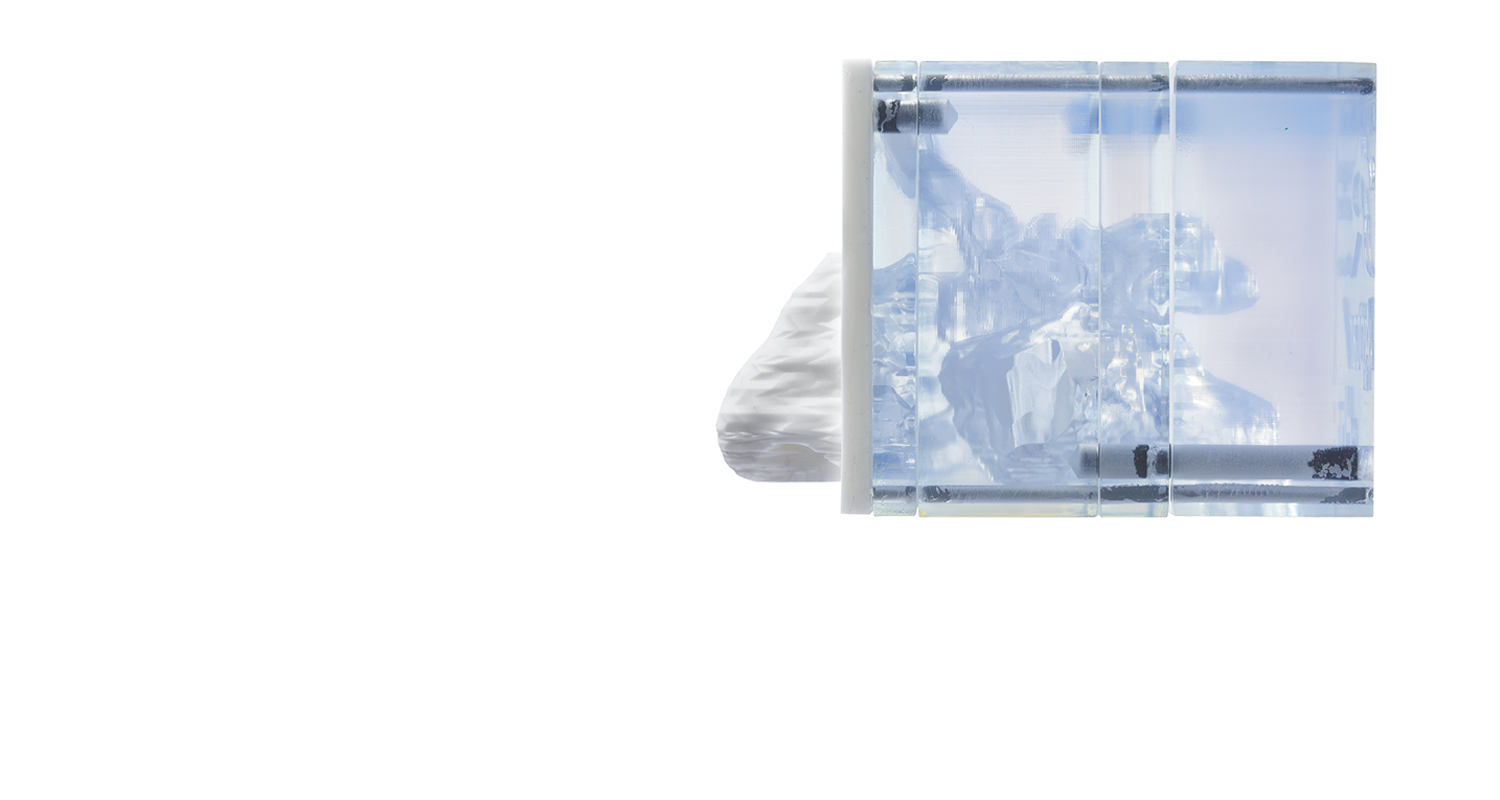
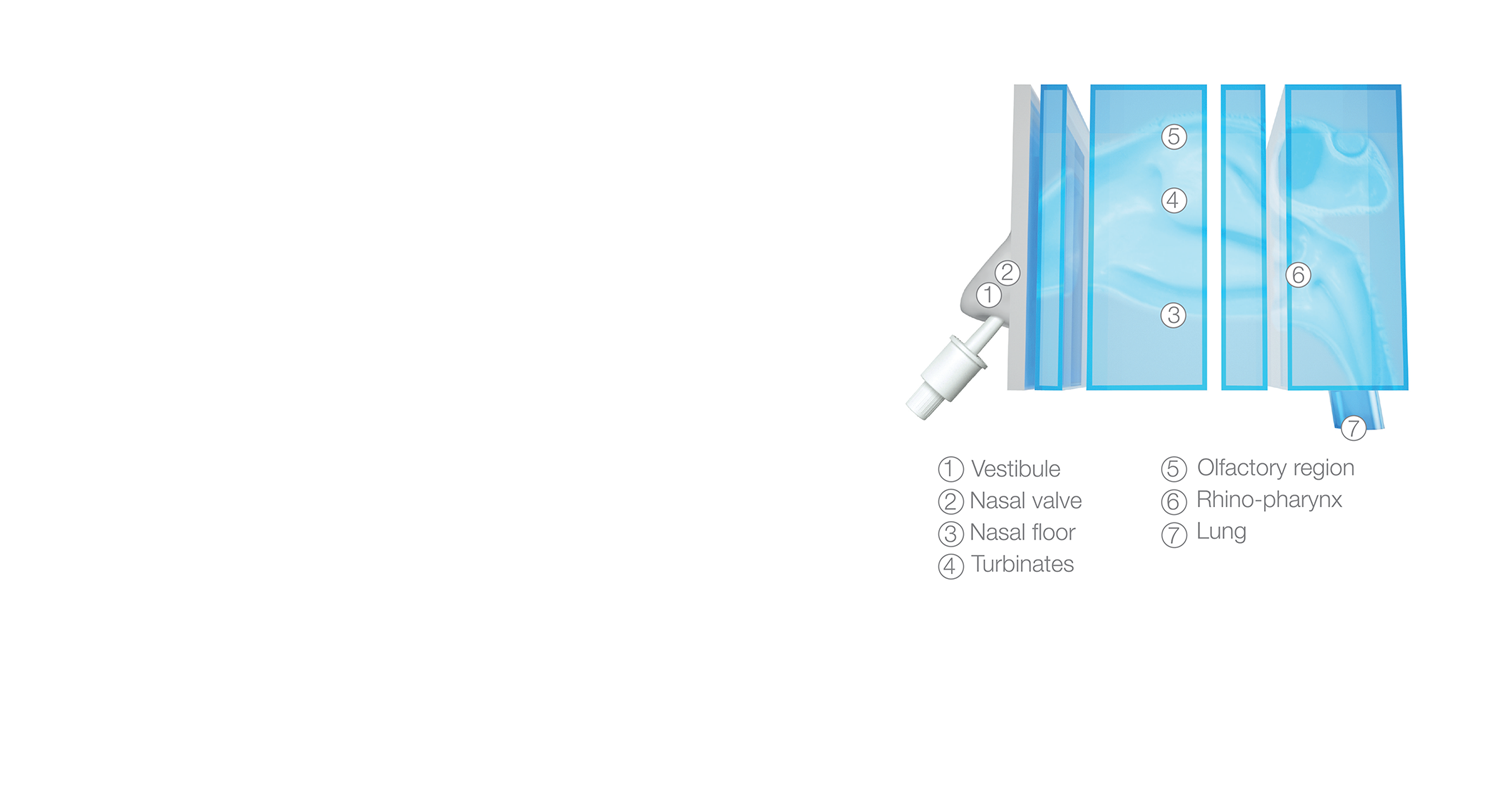
Recently developed 3D printed models provide opportunities for more realistic and complex nasal cavity models. Having the ability to section and dissemble the models into the relevant Regions of Interest (ROI) allow for more specific analysis.
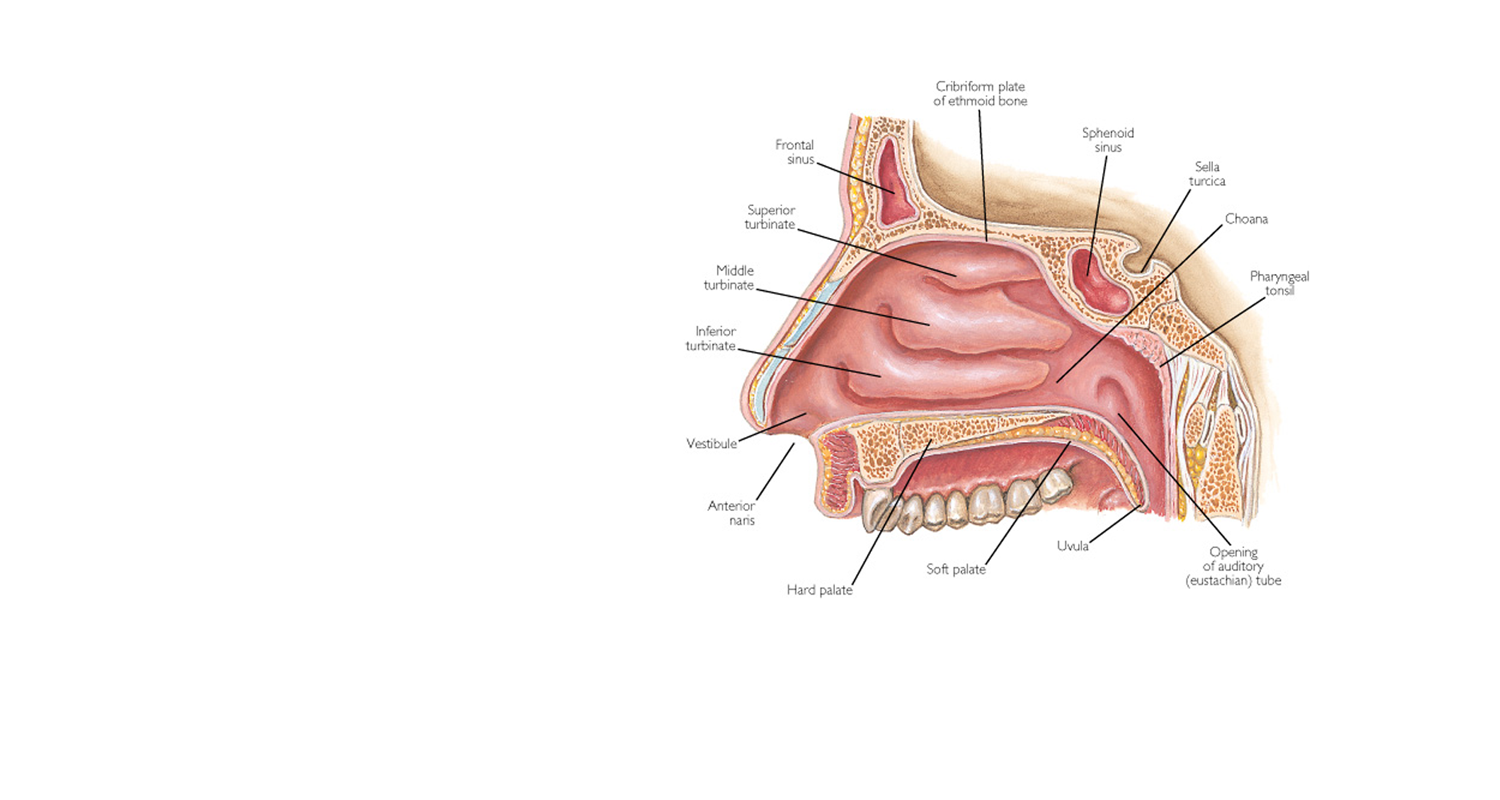
These ROI may include areas such as nostrils, vestibule, turbinates, the olfactory region and nasopharynx. The regions at the back of the nasal cavity, beyond the nasopharynx, may allow for detection of small inhalable particles, <10um, that may pass to the lungs. This is useful as it provides some estimation of potential passage of drug product to the lungs even when not the intended destination.
Additional steps to make the models more realistic can include the addition of artificial mucus or coatings to replicate the natural mucus layer, and scientists can then better simulate the actual entrapment of droplets or particles in different parts of the nasal cavity.
Nasal cast models can help to determine the optimal device and formulation delivery approach for specific products. A nasal cast model could demonstrate that a powder nasal spray may demonstrate much higher deposition in the targeted turbinates region than say a multi-dose liquid nasal spray technology.
This data can be used to support further development with the right delivery system for the device for the intended purpose, before switching to human studies. Nasal cast modelling can also be used to identify differences between adult and pediatric nasal cavity models, which can be critical for applications such as nasal vaccines.
As the target for many nasal vaccines is the Nasal Associated Lymph Tissue (NALT) located in the nasopharynx, having a model that can be dismantled and can measure deposition in this region can be helpful to developing nasal vaccines for different age groups.
Aptar Pharma can help you develop and optimize nasal spray drugs using our specialized nasal cast 3D nasal cavity modelling services.